

Pest & Wildlife Library
Learn About Common Pests, Wildlife & How to Protect Your Property
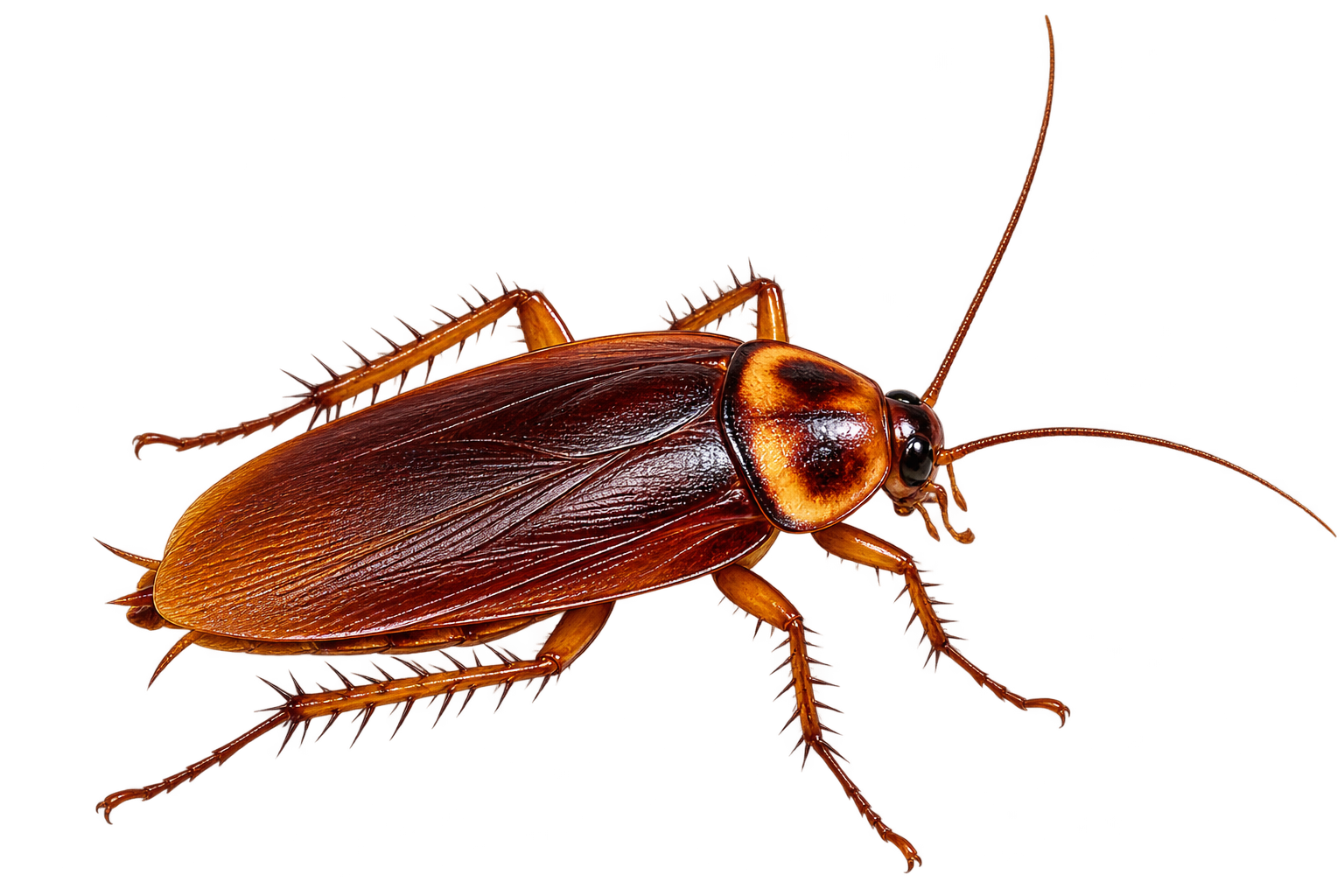
Why Cockroaches Enter Homes
Cockroaches contaminate food and surfaces with bacteria, droppings, and allergens that can trigger asthma and allergies. They reproduce quickly, turning a small problem into a serious infestation.
How They Get Inside
Attracted to food, moisture, and shelter, cockroaches enter through cracks, drains, plumbing openings, and gaps around doors. They can also arrive in boxes, bags, and appliances.
Common Cockroach Species
In Georgia and Alabama, common species include German cockroaches, often found in kitchens and bathrooms; American and smokybrown cockroaches, frequently associated with damp areas; and Oriental cockroaches, which prefer cool, moist environments.
Treatment & Prevention
Professional cockroach control uses targeted baits, insect growth regulators, and treatments around hiding areas. Eliminating moisture, removing food sources, and sealing entry points help prevent future infestations.
Cockroaches
Spiders
Spiders Can Be Scary
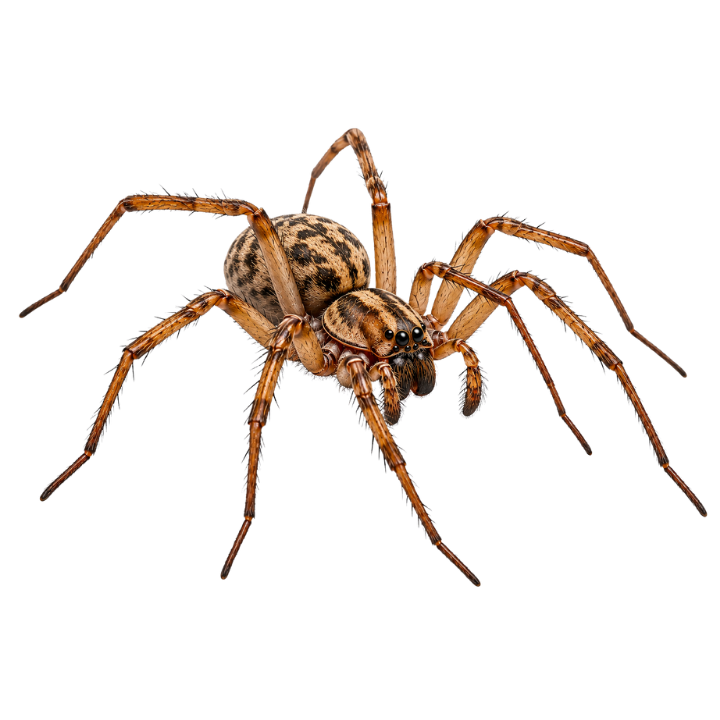
Spiders are common around homes and businesses, creating webs in corners, garages, porches, and along exterior walls. While most are harmless, some species can deliver medically significant bites. Large outdoor spider webs can also become a seasonal nuisance.
Where Spiders Hide
Spiders enter through cracks, vents, and gaps around doors and windows, often following insects in search of food. Overgrown vegetation, brush piles, firewood, and outdoor lighting can attract insects and provide shelter for spiders near the home.
Common Spider Species
In Georgia and Alabama, common species include house spiders, wolf spiders, cellar spiders, and orb-weavers. Large garden spiders and orb-weavers are especially noticeable in late summer and fall, building extensive webs around porches, eaves, and exterior walls. Black widows and brown recluse spiders also occur in the region.
Treatment & Prevention
Professional spider control includes targeted treatments, exterior web removal, and reducing insect populations. Keeping brush, firewood, and vegetation away from the foundation, sealing entry points, and removing webs regularly can help reduce spider activity and prevent recurring problems.
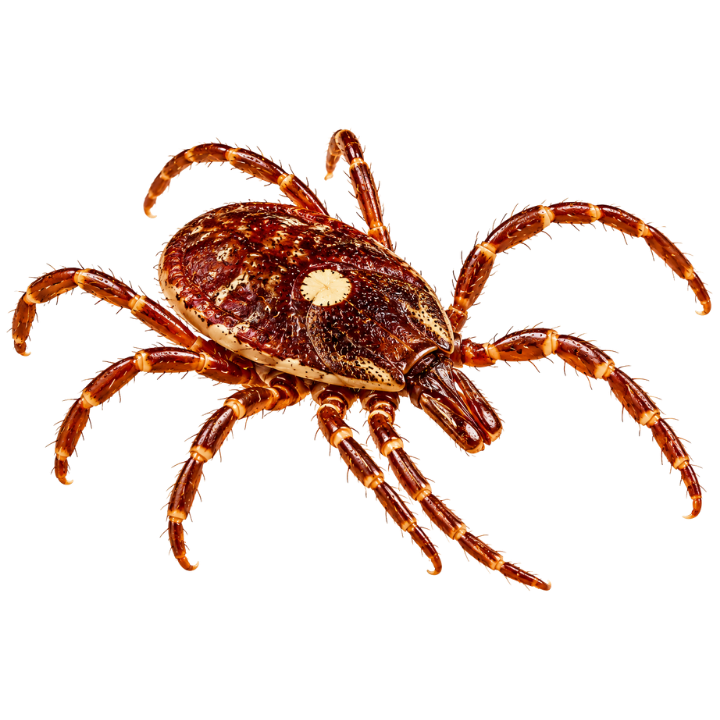
Ticks Can Cause Health Problems
Ticks are blood-feeding parasites that threaten people, pets, and livestock. Their bites can transmit illnesses such as ehrlichiosis and Rocky Mountain spotted fever. Lone star tick bites can also trigger alpha-gal syndrome, a potentially serious allergy to mammalian meat and other products.
How They Get on Your Property
Ticks thrive in tall grass, wooded areas, brush, and leaf litter. Deer, rodents, wildlife, and pets can carry ticks onto residential and commercial properties, particularly where lawns border wooded areas.
Common Tick Species
In Georgia and Alabama, common species include lone star ticks, American dog ticks, blacklegged ticks, and brown dog ticks. Lone star ticks are especially aggressive and frequently encountered in wooded and grassy environments.
Treatment & Prevention
Professional tick control focuses on treating vegetation, shaded areas, and property borders where ticks are active. Keeping grass trimmed, clearing brush and leaf litter, managing wildlife activity, and maintaining veterinarian-recommended tick prevention for pets help reduce infestations.
Ticks
Mosquitoes
Where Mosquitoes Breed
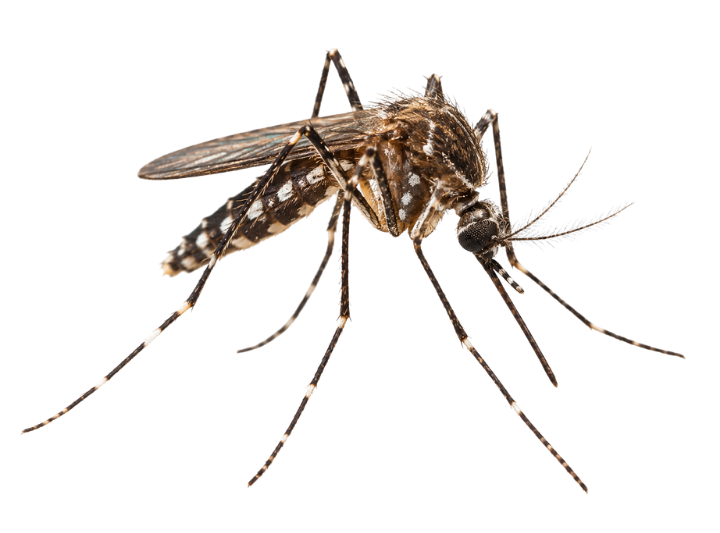
Mosquitoes breed in standing water, often in places homeowners overlook. Birdbaths, clogged gutters, flowerpots, old tires, and low areas of the yard can collect enough water for mosquitoes to reproduce. Even small amounts of standing water can become breeding sites in just a few days, especially during warm, humid weather.
Reducing Mosquito Activity
Eliminating standing water is one of the most effective ways to reduce mosquito activity around your home. Regularly empty containers, clean gutters, maintain swimming pools, and keep grass and vegetation trimmed. Professional mosquito treatments can also help reduce mosquito populations in shaded areas, around landscaping, and other common resting places.
Common Mosquito Species
In Georgia and Alabama, common species include Asian tiger mosquitoes, Southern house mosquitoes, and floodwater mosquitoes. Asian tiger mosquitoes are aggressive daytime biters, while Southern house mosquitoes are more active during evening and nighttime hours.
Treatment & Prevention
Professional mosquito control targets breeding sites and shaded resting areas using appropriate treatments. Eliminating standing water, maintaining landscaping, cleaning gutters, and scheduling ongoing mosquito treatments during warmer months help reduce mosquito populations and outdoor activity.
When Ants Are a Problem
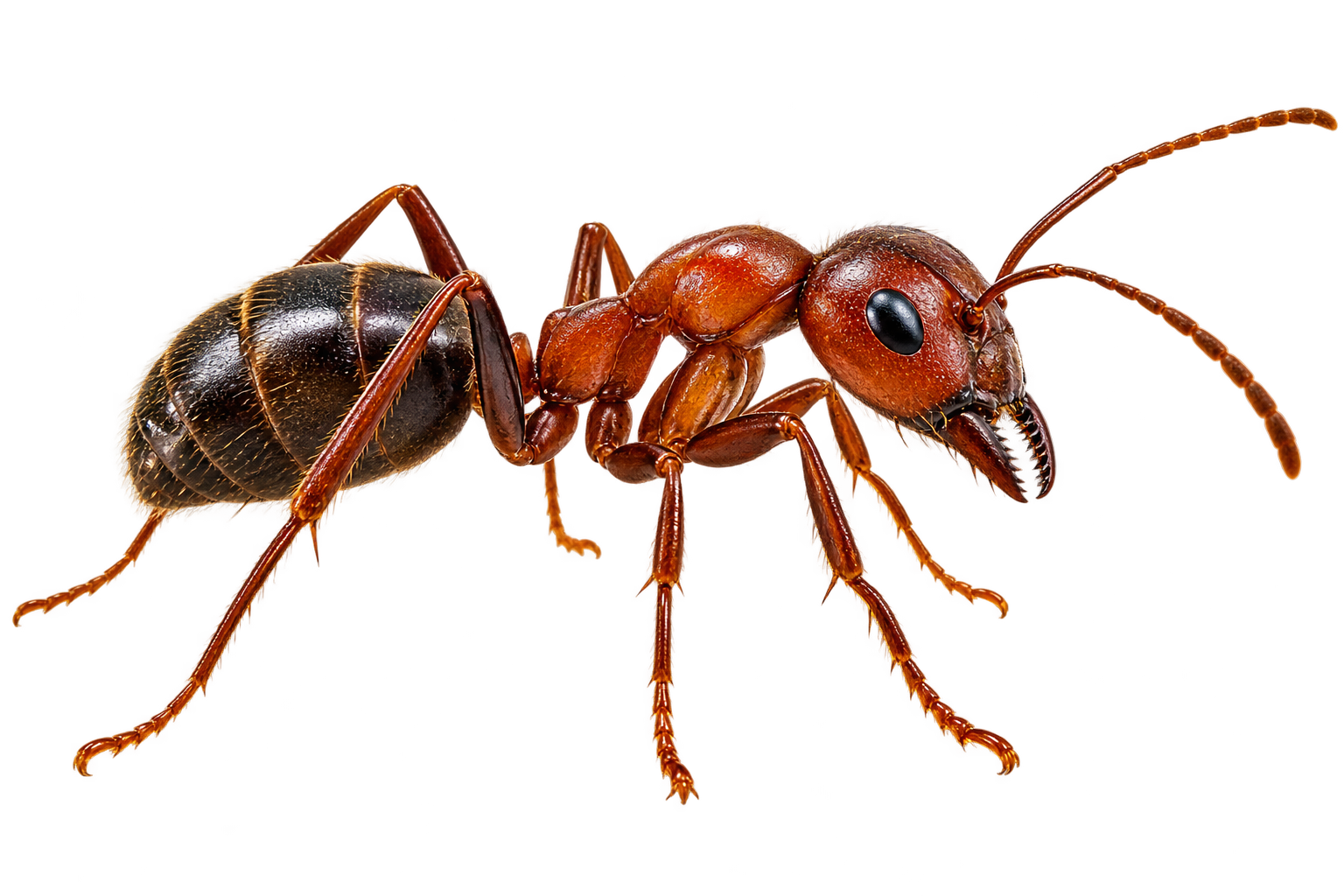
Ants invade kitchens, pantries, and other areas in search of food and water. Some species contaminate food, while carpenter ants can damage wood by excavating nesting galleries. Fire ants create painful stings and hazardous mounds throughout lawns and outdoor spaces.
How They Get Inside
Ants enter through small cracks, foundation gaps, and openings around doors and windows. Food crumbs, moisture, and outdoor nesting areas near the foundation can attract colonies.
Common Ant Species
In Georgia and Alabama, common species include Argentine ants, odorous house ants, carpenter ants, and red imported fire ants.
Treatment & Prevention
Professional ant control identifies colonies and uses targeted baits and treatments to address the source. Sealing entry points, eliminating food sources, and managing moisture help prevent recurring infestations.
Ants
Fleas
Fleas Are a Problem
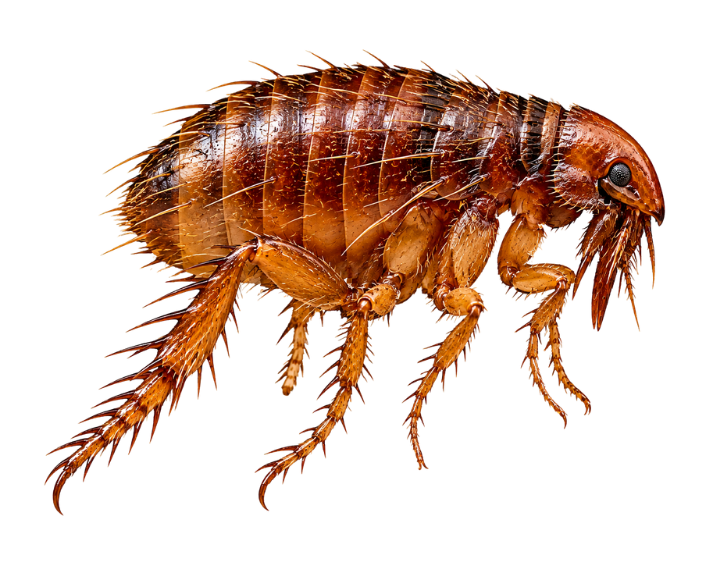
Fleas are biting parasites that cause itching, skin irritation, and allergic reactions in people and pets. Heavy infestations can spread throughout carpets, furniture, and pet bedding, making them difficult to eliminate without proper treatment.
How They Get Inside
Fleas commonly enter homes on dogs, cats, and wildlife. Eggs and larvae develop in carpeting, bedding, shaded yards, and areas where animals rest.
Common Flea Species
The cat flea is the most common species affecting dogs, cats, and homes throughout Georgia and Alabama. Other species include dog fleas and wildlife-associated fleas.
Treatment & Prevention
Professional flea control targets adult fleas and developing stages through appropriate indoor and outdoor treatments. Vacuuming, washing pet bedding, and maintaining veterinarian-recommended flea prevention help break the flea life cycle.
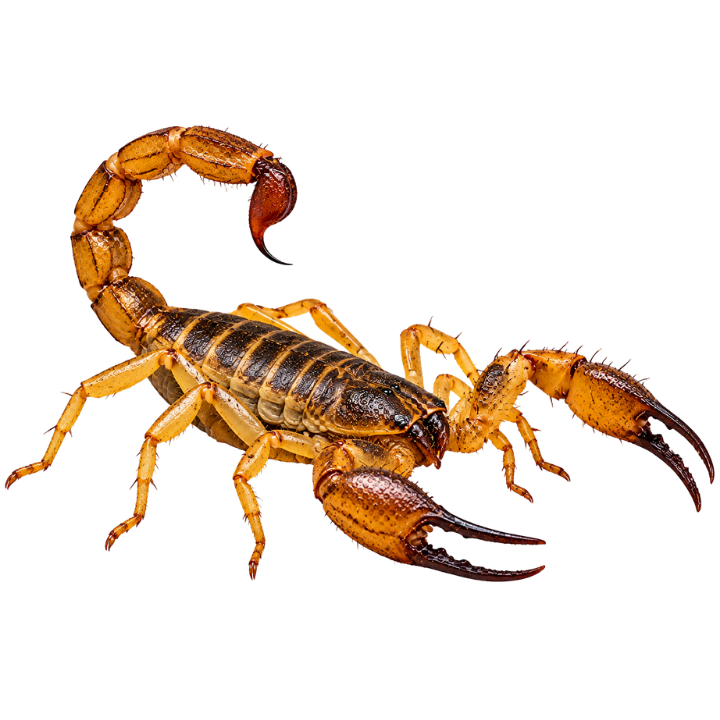
Scorpions Really Sting
Scorpions can become an unwelcome surprise inside homes, garages, and storage areas. Their stings are painful and may cause swelling or allergic reactions, although most species found in Georgia and Alabama are not considered highly dangerous.
How They Get Inside
Scorpions seek shelter beneath rocks, logs, firewood, and debris. They enter buildings through foundation cracks, door gaps, and other openings, often searching for insects and protected hiding places.
Common Scorpion Species
The southern devil scorpion and striped bark scorpion are among the species found in parts of Georgia and Alabama.
Treatment & Prevention
Professional scorpion control focuses on entry points, hiding areas, and reducing insect populations. Removing debris, storing firewood away from buildings, and sealing cracks help discourage scorpion activity.
Scorpions
Bed Bugs
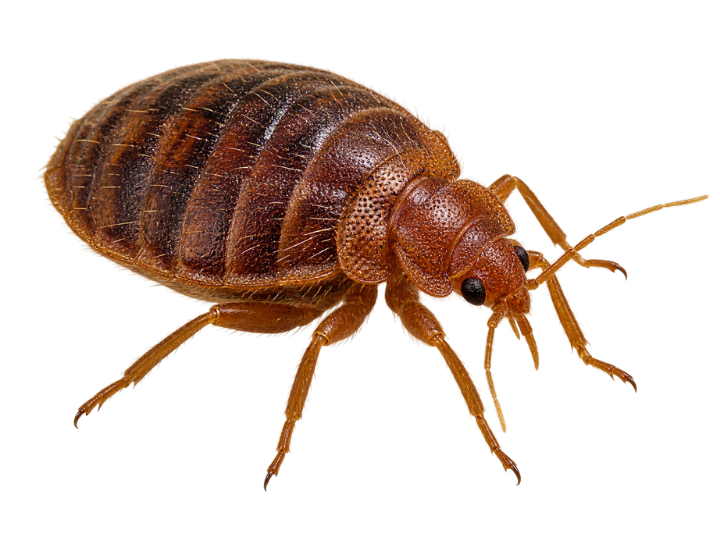
You Don't Want to Sleep with Bed Bugs
Bed bugs feed on human blood, typically at night, causing itchy bites, skin irritation, and disrupted sleep. They hide in mattresses, furniture, and small cracks, allowing infestations to spread before they are discovered.
How They Get Inside
Bed bugs are commonly transported in luggage, clothing, used furniture, and personal belongings. They can spread between rooms and adjoining units in apartments, hotels, and other multi-unit buildings.
Common Bed Bug Species
The common bed bug is the primary species responsible for infestations in homes, hotels, and commercial lodging throughout Georgia and Alabama.
Treatment & Prevention
Professional bed bug treatment involves thorough inspections and targeted methods such as heat treatments, specialized insecticides, and follow-up monitoring. Early detection and proper treatment are essential to eliminating infestations.
Nobody Likes Wasps
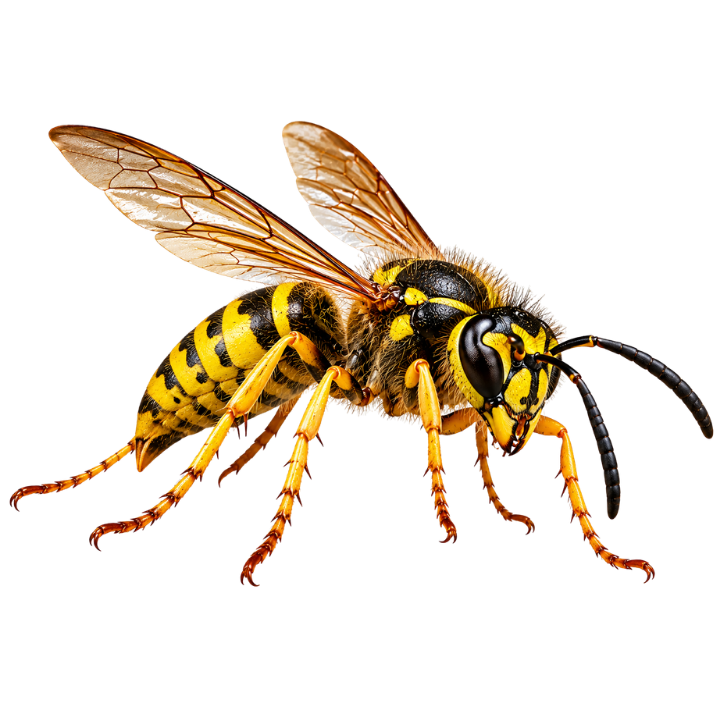
Wasps, hornets, and yellowjackets can pose serious risks around homes and businesses. Their stings are painful and may cause severe allergic reactions. Nests near doors, rooflines, patios, and outdoor gathering areas increase the likelihood of unwanted encounters.
Why They Nest Around Your Property
Stinging insects build nests beneath eaves, inside wall voids, in trees, and underground. Protected nesting locations and nearby food sources make residential and commercial properties attractive.
Common Stinging Insects
In Georgia and Alabama, common species include paper wasps, yellowjackets, bald-faced hornets, and European hornets.
Treatment & Prevention
Professional wasp and hornet control involves locating and treating active nests using appropriate safety procedures. Removing abandoned nests when appropriate, sealing entry points, and reducing food attractants help discourage future nesting.
Wasps & Stinging Insects
Termites
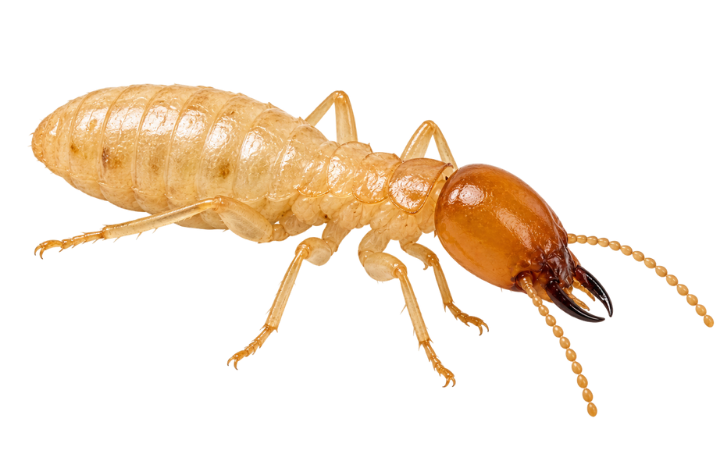
Early Signs of Termite Damage
Termites can cause significant damage before homeowners realize they're present. Common warning signs include mud tubes along foundations, hollow-sounding or damaged wood, discarded wings near windows and doors, and bubbling or peeling paint. Because termites often remain hidden inside walls, floors, and wooden structures, an infestation can go unnoticed for months or even years.
How They Get Inside
Subterranean termites enter through soil around foundations, cracks in concrete, and areas where wood contacts the ground. Moisture problems, poor drainage, and wood debris near buildings increase infestation risks.
Why Early Detection Matters
Identifying termite activity early can help prevent costly structural damage and extensive repairs. Regular termite inspections can uncover hidden activity before serious damage occurs. Professional treatment options, including liquid termite treatments and bait station systems, can eliminate active colonies and provide ongoing protection against future infestations.
Treatment & Prevention
Professional termite protection may include liquid soil treatments, baiting systems, and ongoing monitoring. Moisture management, eliminating wood-to-soil contact, and regular termite inspections help protect homes and businesses from costly structural damage.
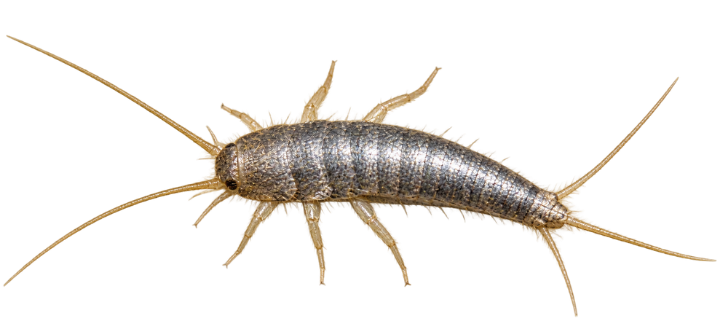
Silverfish: Small Pests That Can Cause Big Problems
Silverfish are small, wingless insects known for their silvery appearance and quick movements. They thrive in dark, damp environments and can damage books, wallpaper, clothing, and stored materials by feeding on starches, paper, and adhesives.
Where Silverfish Hide
Silverfish commonly hide in bathrooms, kitchens, basements, attics, and storage areas where moisture and humidity are present. They enter through small cracks and openings or may be brought inside with cardboard boxes, books, and stored belongings.
Common Silverfish Species
The common silverfish and gray silverfish are among the species found in homes and buildings throughout Georgia and Alabama. These pests are primarily active at night and can remain unnoticed until their numbers increase.
Treatment & Prevention
Effective silverfish control involves reducing moisture, sealing entry points, removing clutter, and applying targeted treatments to hiding areas. Professional pest control can help eliminate existing infestations and prevent silverfish from returning.
Silverfish
Raccoons

Raccoons: Unwanted Guests That Can Cause Serious Damage
Raccoons are intelligent, resourceful animals that often seek shelter in attics, crawl spaces, chimneys, and other protected areas around homes. Once inside, they can damage roofing, vents, ductwork, and stored belongings. Raccoons can also carry diseases and parasites, creating potential health concerns for homeowners and their families.
What Attracts Raccoons to Your Property
Raccoons are attracted to easily accessible food, water, and shelter. Unsecured garbage cans, pet food, bird feeders, and fallen fruit can encourage activity around homes. Loose soffits, damaged vents, and openings along rooflines provide opportunities for raccoons to enter and establish nesting areas.
Raccoon Behavior & Activity
Raccoons are primarily nocturnal, becoming most active after sunset as they search for food, water, and shelter. Excellent climbers with highly dexterous front paws, they can easily access rooftops, attics, and other elevated areas. Although typically active at night, raccoons may also be seen during daylight hours, especially when caring for their young or searching for food.
Removal & Prevention
Professional raccoon removal begins with a thorough property inspection to identify entry points, nesting areas, and potential damage. Safe, humane removal methods help address existing wildlife activity, while sealing access points and eliminating attractants can reduce the likelihood of future problems. Special care is necessary when young raccoons may be present to avoid trapping animals inside the home.
Signs of Rodent Activity
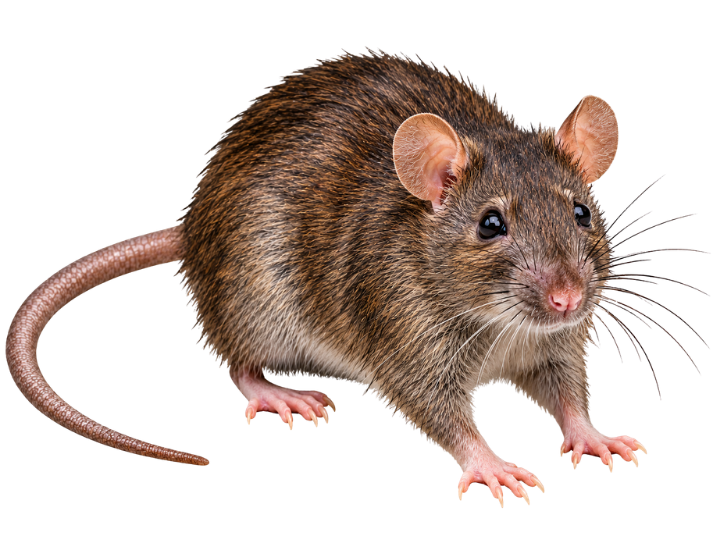
Rats and mice often remain hidden, especially during the day, but they leave behind noticeable signs of their presence. Common warning signs include small droppings in cabinets or storage areas, scratching noises in walls and attics, gnaw marks on wood or wiring, and shredded materials used for nesting. Rodents can squeeze through surprisingly small openings, making it important to identify and address activity before an infestation grows.
How They Get Inside
Rodents enter through foundation gaps, roof openings, vents, and small cracks. Food, water, warmth, and accessible nesting spaces attract them to homes, attics, garages, and commercial buildings.
Common Rodent Species
In Georgia and Alabama, common species include roof rats, Norway rats, and house mice. Roof rats are particularly known for nesting in attics and elevated spaces.
Removal & Prevention
Professional rodent control combines trapping, population reduction, and exclusion methods. Sealing entry points, removing food sources, and cleaning contaminated nesting areas help prevent recurring infestations.
Rodents (Rats & Mice)
Squirrels
Squirrels Are Cute - But That's All
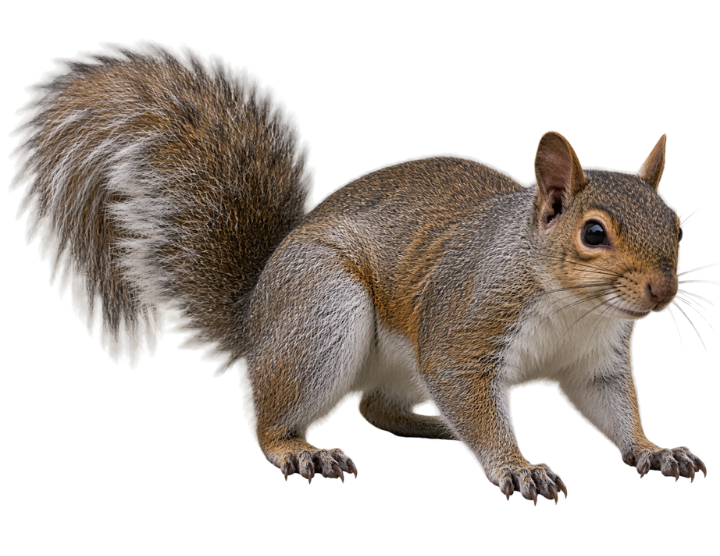
Squirrels can cause significant damage when they enter attics, soffits, and roof spaces. They chew insulation, wood, and electrical wiring while creating nests that lead to noise, odors, and potential fire hazards.
How They Get Inside
Squirrels access rooftops from nearby trees and enter through damaged vents, loose soffits, roof gaps, and deteriorating fascia boards. Attics provide warm, protected nesting areas.
Common Squirrel Species
Eastern gray squirrels and fox squirrels are common throughout Georgia and Alabama. Flying squirrels may also invade attics and other enclosed spaces.
Removal & Prevention
Professional squirrel removal uses appropriate trapping or exclusion techniques, followed by sealing entry points and repairing damage. Trimming overhanging branches and securing roof openings help prevent future entry. Young squirrels must be accounted for before exclusion.
Signs of Bats in Your Attic
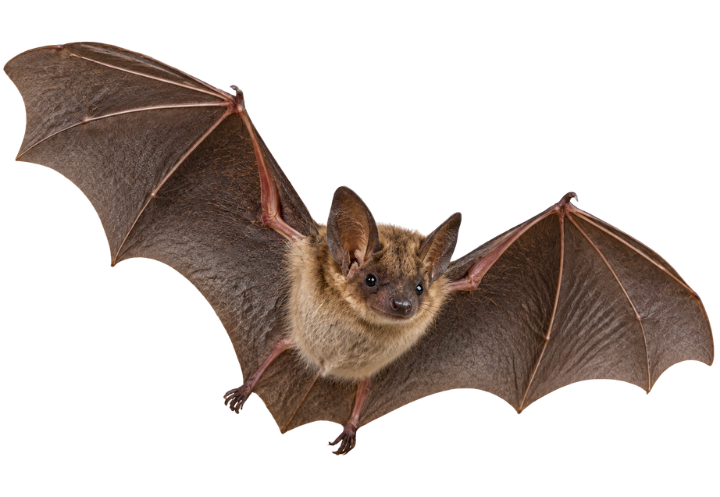
Bats can take up residence in attics without homeowners realizing they're there. Common warning signs include scratching or fluttering sounds in the evening, droppings (guano) collecting in attics or near exterior walls, and dark stains around roofline openings where bats enter and exit. Seeing bats repeatedly flying near your roof at dusk may also indicate an established roost inside your home.
How They Get Inside
Bats enter through small openings along rooflines, vents, chimneys, and damaged building materials. Attics and enclosed spaces provide protected roosting locations.
Common Bat Species
Little brown bats, big brown bats, evening bats, and Brazilian free-tailed bats are among the species found in Georgia and Alabama.
Why Professional Removal Matters
Professional bat exclusion uses one-way devices and carefully timed entry-point sealing. Guano cleanup and contaminated insulation removal may also be necessary. Bat removal must follow wildlife protection regulations and seasonal restrictions, particularly during maternity periods.
Bats
Snakes
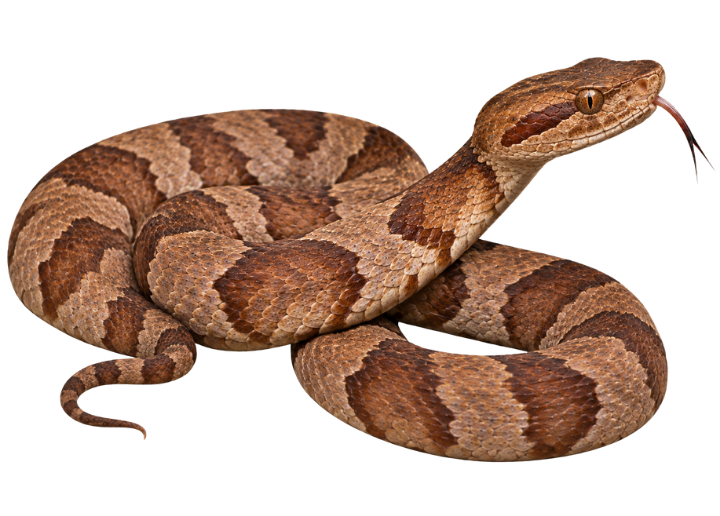
Are You Living with Snakes?
Snakes around homes, garages, crawl spaces, and outdoor living areas can create safety concerns, particularly when venomous species are present. Although many snakes are harmless and help control rodents, unexpected encounters can be dangerous.
Where Snakes Are Commonly Found
Snakes are attracted to areas offering shelter, moisture, and prey. Tall grass, brush piles, stacked firewood, and rodent activity create favorable conditions near buildings.
What Attracts Snakes
Snakes are often attracted to properties that provide food, shelter, and places to hide. Tall grass, overgrown landscaping, woodpiles, brush, and debris create ideal hiding spots, while rodents, frogs, and other small animals provide a steady food source. Snakes may also seek cool, shaded areas during hot weather or sheltered spaces beneath decks, sheds, and foundations. Keeping your property maintained and reducing rodent activity can help discourage snakes from settling near your home.
Removal & Prevention
Professional snake removal focuses on safe identification and removal when necessary. Reducing rodent populations, clearing debris, trimming vegetation, and sealing openings around buildings help make properties less attractive to snakes.
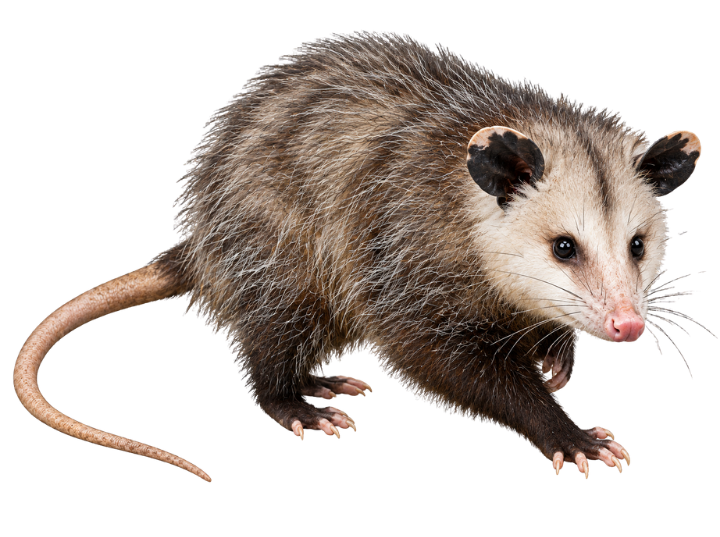
When Opossums Become a Problem
Although opossums are generally harmless and help control insects, they can become a nuisance when they settle beneath homes or outbuildings. Homeowners may notice nighttime noises, disturbed trash, or activity around crawl spaces. Problems can also arise when an opossum establishes a den in an area frequently used by people or pets.
Why They Come Onto Your Property
Opossums are attracted to accessible food, water, and sheltered spaces. Unsecured trash, outdoor pet food, fallen fruit, and openings beneath structures encourage their presence.
Common Opossum Species
The Virginia opossum is the only native opossum species found throughout Georgia and Alabama.
Removal & Prevention
Professional wildlife control focuses on humane removal when necessary and excluding animals from unwanted shelter areas. Securing garbage, removing food attractants, and closing access beneath structures help prevent recurring problems.
Opossums
Armadillos
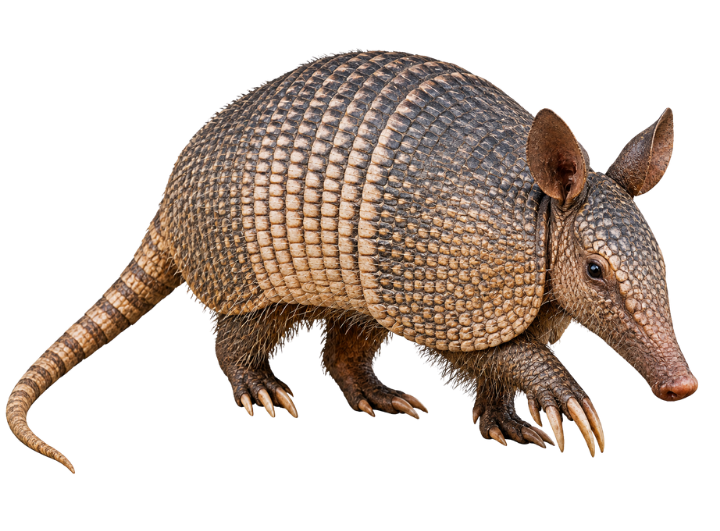
Why Armadillos Are a Problem
Armadillos damage lawns, flowerbeds, gardens, and landscaped areas while digging for insects and earthworms. Their repeated digging creates holes, disturbs roots, and can undermine soil around foundations, walkways, and other structures.
Why They Come Onto Your Property
Armadillos are attracted to moist soil containing insects, grubs, and earthworms. Landscaped yards, gardens, wooded borders, and areas with loose soil provide favorable feeding conditions.
Common Armadillo Species
The nine-banded armadillo is the species commonly found throughout Georgia and Alabama.
Removal & Prevention
Professional armadillo control may include trapping where permitted and installing barriers around vulnerable areas. Managing landscape conditions and restricting access to frequently damaged areas help reduce repeated digging and property damage.
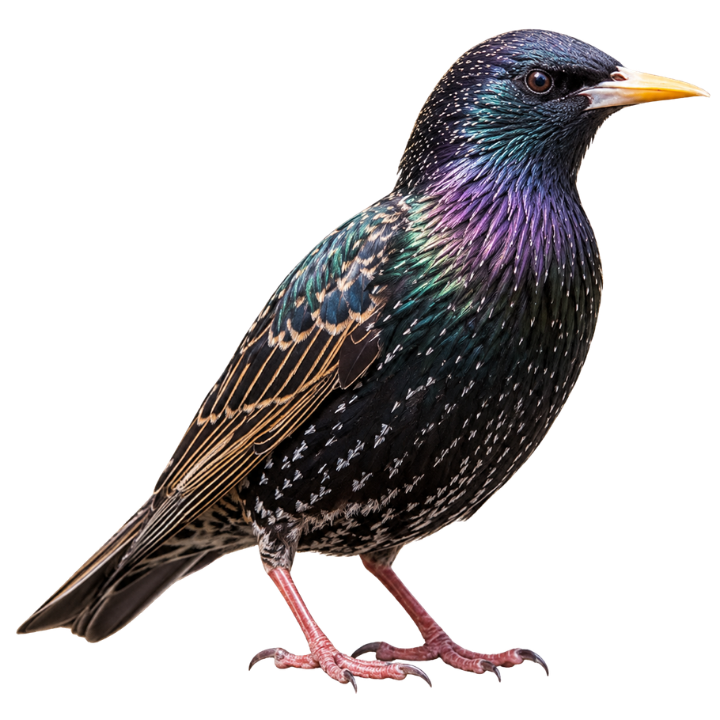
Birds Can Be a Nuisance
Birds such as starlings, pigeons, and sparrows can become a problem when they gather or nest around homes and businesses. Rooflines, vents, gutters, signs, and covered structures provide convenient places to roost or build nests. Large numbers of birds can create noise, leave behind droppings, and cause ongoing maintenance problems.
Why They Gather Around Buildings
Birds are attracted to sheltered nesting locations, accessible food, and elevated perching areas. Rooflines, signs, awnings, warehouses, and commercial structures often provide ideal gathering spots.
Problems Caused by Nesting Birds
Bird nests and accumulated droppings can clog gutters, block ventilation openings, stain building surfaces, and create unsanitary conditions. Nesting materials may also attract insects and other pests. When birds repeatedly return to the same location, professional bird exclusion and deterrent methods can help prevent recurring problems.
Removal & Prevention
Professional bird control focuses on humane exclusion, nest management, and deterrents such as netting, spikes, and access barriers. Cleaning contaminated areas and eliminating food attractants help discourage recurring bird activity. Protected species and active nests require special consideration under wildlife laws.
Birds
Coyotes
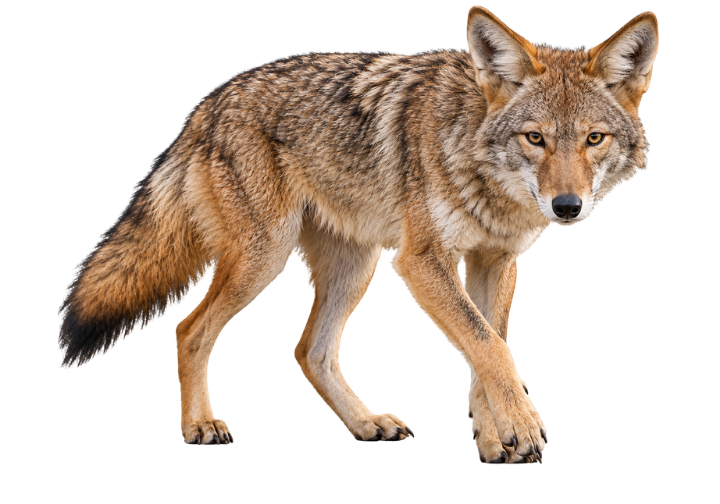
When Coyotes Become a Concern
Although coyotes generally avoid people, they can pose a threat to small pets, poultry, and other domestic animals. Homeowners may notice coyotes crossing their property, hear howling or yipping at night, or discover tracks near wooded areas. Frequent daytime sightings, unusually bold behavior, or repeated activity near homes and pets may warrant professional wildlife assistance.
Why Coyotes Visit Your Property
Coyotes are increasingly common around neighborhoods, farms, and rural properties throughout Georgia and Alabama. They are attracted to accessible food sources such as unsecured garbage, pet food, rodents, and small animals. Wooded areas, overgrown fields, and nearby water sources can also make residential properties attractive places for coyotes to travel and hunt.
Keeping Coyotes Away
Removing attractants is one of the best ways to discourage coyotes from visiting your property. Secure garbage, avoid leaving pet food outdoors, manage rodent populations, and keep small pets supervised, especially after dark. Protective fencing and properly secured poultry enclosures can also help reduce unwanted encounters.
Stay One Step Ahead of Pests & Wildlife
Understanding the habits and warning signs of common pests and wildlife is the first step toward protecting your home or business. But when unwanted visitors become a problem, professional help can make all the difference.
Preventative Pest Control is locally owned and operated, serving homeowners and businesses throughout Columbus, Phenix City, and surrounding communities in Georgia and Alabama. From routine pest prevention and termite protection to nuisance wildlife removal, we're here to help keep your property protected.